How to Light a Dark Kitchen Without Losing Its Character
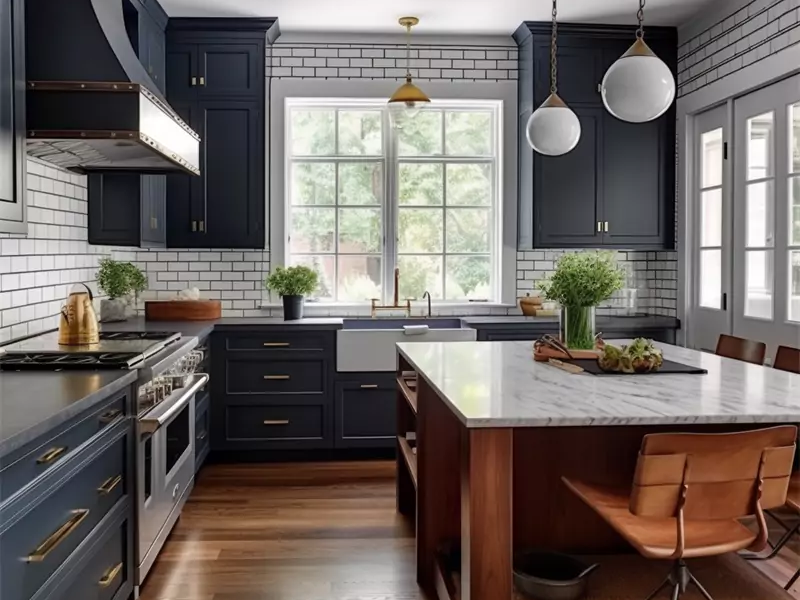
Dark kitchen cabinets can make a room feel calm, confident and full of character. But when the lighting misses the worktops or leaves corners in shadow, that same kitchen can become frustrating to use.
Imagine preparing dinner beneath one ceiling light. Your body blocks the light, the chopping board sits in shadow, and the beautiful charcoal cabinets almost disappear into the background. The answer starts with where the light falls, rather than simply buying a brighter bulb.
Dark Kitchen Lighting at a Glance
A good dark kitchen lighting plan combines general room lighting, focused light over worktops and softer light around seating or display areas. The cabinet colour, countertop finish and available daylight should guide your choices. Under cabinet lighting helps illuminate preparation areas, island pendants give light where people gather, and separate controls let you change the atmosphere throughout the day. Test the lighting beside your cabinet samples before making the final decision.
Find the Areas That Need Better Kitchen Lighting
Before choosing fixtures, spend a little time in the kitchen after sunset. Stand where you usually chop vegetables, wash dishes, unpack groceries and make coffee.
Notice whether your hands or body cast a shadow over the worktop. Check whether an open cabinet door blocks the light. Then sit at the island and look for exposed bulbs that shine directly into your eyes.
Write down the problems you find. “The corner beside the cooker is dark” gives a lighting designer more useful information than “the kitchen needs more lights.”
This simple check can also help with an existing kitchen. You may discover that one poorly lit preparation area needs attention more urgently than the whole ceiling.
Build a Layered Kitchen Lighting Plan
Different parts of the kitchen need light for different reasons. A useful starting point is to divide the plan into three layers.
| Lighting layer | Main purpose | Possible fixtures |
| General lighting | Makes the room comfortable to move through | Ceiling lights or recessed fixtures |
| Task lighting | Illuminates preparation and cleaning areas | Under cabinet lights or carefully positioned spotlights |
| Accent lighting | Highlights a feature or creates a softer atmosphere | Shelf lights or concealed lighting |
A pendant can serve more than one purpose, depending on its shade, output and position. What matters is whether each area receives useful light.
Philips distinguishes between general ceiling lighting, worktop lighting and adjustable dining lighting in its kitchen guidance. This supports planning around activities rather than relying on a single central fixture.
Position Under Cabinet Lighting Around Your Worktops
Upper cabinets can block ceiling light from reaching the counter beneath them. Under cabinet LED lighting brings the light closer to that work area.
For long preparation surfaces, compare continuous linear lighting with individual fixtures. Look for even coverage rather than alternating bright spots and dark gaps.
Check the installation position with a sample or a temporary demonstration. A glossy countertop may reflect the light source, while a visible LED strip can create glare at certain viewing angles. A suitable housing and diffuser can help conceal the source and soften its appearance.
Include the corner cabinet area in your plan. It is easy to light the straight sections and overlook the place where two worktops meet.
Choose a Light Colour That Suits Dark Grey Cabinets
Colour temperature describes whether light looks warmer or cooler. It is different from brightness.
For a welcoming kitchen, a light around 3000 K can be a useful option to test. Compare it with a more neutral option if you prefer a clearer appearance over the preparation areas. There is no single setting that suits every cabinet finish and every household.
Lighting guides also recommend different ranges for different uses, which makes testing more useful than treating one number as a universal rule.
Place your cabinet door sample beside the countertop and backsplash samples under the proposed light. Check whether the grey looks pleasantly warm, unexpectedly blue or slightly green.
Paint manufacturer Sherwin-Williams explains that lighting can change how undertones appear and recommends checking samples at different times and under different lighting conditions.
Make Kitchen Island Pendant Lights Work for the Space
Kitchen island pendant lights should suit the way you use the island.
If it is your main food preparation area, check how much light reaches the worktop. If it is mainly a breakfast bar, think about comfortable light at seated eye level.
Consider the shade as well as the shape. A solid shade usually directs more light towards a particular area, while other designs distribute light more widely.
Before installation, mark the proposed positions with paper templates or temporary hanging guides. View them from the entrance, the sink and the seating area. This helps you spot a blocked sightline before the fixtures are fitted.
Avoid choosing the number of pendants from a photograph alone. Island length, fixture size and light distribution all matter.
Balance Dark Grey Cabinets With Lighter Surfaces
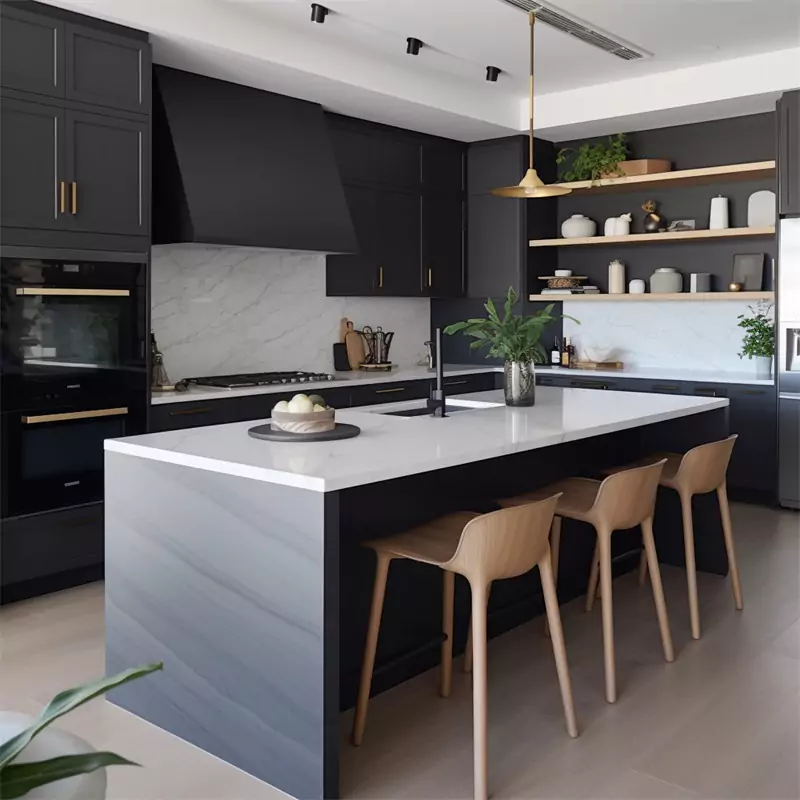
Lighting works alongside the room’s finishes. A pale countertop or backsplash can provide a clear visual contrast against charcoal kitchen cabinets.
You do not need to turn every surface white. A light island worktop, a pale wall beside the window or a small section of warm wood may provide enough variation.
For examples of cabinet colours and material combinations, explore Parlun’s dark grey kitchen guide while comparing your own finish samples.
Plan Lighting Controls Before Cabinet Installation
Separate controls make a kitchen easier to adapt.
You might want bright worktop lighting while cooking, then softer island lighting when eating. Keeping these areas on separate controls gives you that flexibility.
Discuss cable routes, power supplies and access for future maintenance before the cabinets are installed. Check that any proposed dimmer works with the selected LED lights.
For a renovation, ask an electrician which improvements are practical within the existing wiring. This helps you set a realistic lighting budget before buying fixtures.
Prepare Your Kitchen Brief With Parlunbuilding
If you are planning new cabinets, bring the lighting and cabinetry decisions into the same conversation.
Prepare your room measurements, window positions, appliance locations and photographs of the existing kitchen. Add a shortlist of cabinet finishes and note where you need the clearest worktop lighting.
When discussing your project with Parlunbuilding, ask how the cabinet layout can accommodate lighting channels, wiring access and any illuminated shelves. Request clear information about what is included in the cabinet proposal and what needs to be arranged separately.
The more specific your brief, the easier it becomes to compare designs and quotations.
Frequently Asked Questions About Dark Kitchen Lighting
How Can I Brighten a Dark Kitchen Without Replacing the Cabinets
Start by improving light over preparation areas and checking whether ceiling fixtures leave important corners in shadow. Lighter surrounding surfaces and less clutter around windows can also help. Assess the room during both daylight and evening use.
What Colour Temperature Is Best for Kitchen Lighting
The best choice depends on the atmosphere you want and how your finishes look under the light. Test warm white and neutral white options beside actual cabinet and countertop samples. Keep brightness and glare in mind as well as colour temperature.
Do Kitchen Light Fixtures Need to Match
They do not need to be identical. Fixtures can share a finish, shape or design detail while serving different purposes. Check that they look comfortable together when illuminated, especially in an open kitchen.

Writer at ShotScribuss, covering the latest in tech and gadgets.