What Causes Hair Loss in Women?
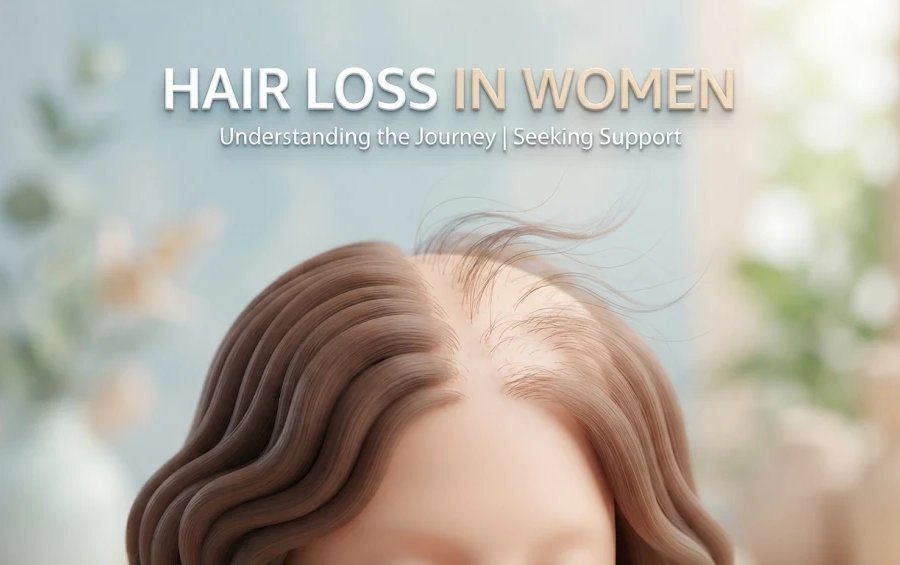
Hair loss is often thought of as a men’s issue, but it affects a large number of women too, and it can be especially distressing precisely because it is talked about far less. The good news is that understanding the cause is the first step toward addressing it, and many causes are manageable or treatable. This article takes a clear look at what causes hair loss in women, the main types, and what can help. Please note this is general information only and not medical advice. If your hair loss is sudden, patchy, or persistent, a professional can help identify the cause.
How Common Is Hair Loss in Women?
Female hair loss is far more common than many people assume, affecting women of all ages rather than only those who are older. Unlike the receding hairline often seen in men, women typically experience diffuse thinning, where the hair gradually becomes less dense across the scalp or along the part line. Recognising how widespread it is can be reassuring, as it is a shared experience rather than an isolated one, and understanding the underlying causes helps take some of the worry out of it.
Hormonal Changes
Hormonal shifts are one of the leading causes of hair loss in women. Pregnancy, childbirth, and menopause can all disrupt the natural hair cycle, and many women notice increased shedding during these times. The hormone DHT also plays a role in female pattern thinning, much as it does in men. Some hormonal shedding, such as that following pregnancy, is temporary and resolves on its own. For ongoing hormonal thinning, female hair products designed to support thinning hair can form part of a broader approach, ideally alongside advice from a professional who can identify the specific hormonal factors at play.
Female Pattern Hair Loss (Androgenetic Alopecia)
Female pattern hair loss, also known as androgenetic alopecia, is the most common long-term cause. It is hereditary and tends to show as gradual thinning across the crown and along the part line, rather than complete baldness. Without treatment, it is generally progressive, meaning it slowly worsens over time. Because it is driven by genetics and hormones, it often benefits from early intervention, which can slow the thinning and in some cases improve density. Recognising it early gives the best chance of managing it effectively.
Stress and Illness (Telogen Effluvium)
Significant stress, illness, surgery, or major life events can trigger a type of hair loss called telogen effluvium. This happens when a larger than usual number of hairs are pushed into the shedding phase of the hair cycle, leading to noticeable shedding a few months after the triggering event. The reassuring news is that this type of hair loss is usually temporary, and hair typically recovers once the underlying stress or illness has passed. Understanding this can ease a great deal of the worry it causes.
Nutritional Deficiencies
What you eat has a direct impact on your hair, and nutritional deficiencies are a manageable cause of hair loss. Low levels of iron, vitamin D, zinc, and protein can all contribute to thinning, as can crash dieting or very restrictive eating. The encouraging part is that correcting these deficiencies, often through diet or supplements where appropriate, can help restore healthier hair growth. If you suspect a deficiency, it is worth having it checked, as addressing it may resolve the problem at its source.
Medical Conditions and Medications
Several medical conditions can cause hair loss in women, including thyroid disorders, polycystic ovary syndrome, and autoimmune conditions such as alopecia areata. Certain medications can also have hair loss as a side effect. Because these causes require proper diagnosis, they are best investigated with a professional rather than self-diagnosed. Identifying and treating an underlying condition often improves the hair loss associated with it, which is why seeking medical advice matters when a condition is suspected.
Hairstyling and Damage
The way you style and treat your hair can also contribute to loss. Tight hairstyles that pull on the roots can cause traction alopecia over time, while excessive heat and harsh chemical treatments can damage the hair and lead to breakage. Adopting gentler habits, such as looser styles, reduced heat, and avoiding aggressive chemical processes, can help prevent this kind of damage. These are among the most within your control, making them a practical place to start protecting your hair.
Age
Hair naturally changes as we age. Growth tends to slow, and hair follicles can shrink, leading to gradual thinning over the years. This is a normal part of the ageing process and affects most people to some degree. While it cannot be entirely prevented, understanding it as a natural change rather than a sudden problem can help set realistic expectations, and supportive hair care can still help keep hair looking its best.
Can Female Hair Loss Be Reversed?
Whether hair loss can be reversed depends largely on its cause. Temporary causes, such as stress-related shedding or nutritional deficiencies, often resolve once the trigger is addressed. Pattern hair loss cannot usually be cured, but it can frequently be slowed or improved with appropriate treatment. Across the board, acting early gives the best results, as it is far easier to maintain and support existing hair than to regrow hair that has been lost over a long period.
What Can Help With Female Hair Loss?
The right approach depends on the cause. Minoxidil is a widely used and clinically supported option for female pattern hair loss. Addressing any underlying cause, whether hormonal, nutritional, or medical, is essential. Supplements can help where there is a genuine deficiency, and gentle hair care protects against further damage. Professional treatments are also available for more persistent cases. Matching the solution to the cause is what makes treatment effective, rather than relying on a one-size-fits-all approach.
When to See a Professional
It is worth seeing a doctor or dermatologist if your hair loss is sudden, patchy, or persistent, or if you suspect an underlying condition. A professional can properly diagnose the cause and recommend an appropriate course of action. Early diagnosis often leads to better outcomes, so there is no need to wait until the problem is advanced before seeking help. Getting answers can also bring real peace of mind.
Frequently Asked Questions
What is the most common cause of hair loss in women?
Female pattern hair loss, or androgenetic alopecia, is the most common long-term cause, though hormonal changes and stress are also frequent contributors.
Can female hair loss grow back?
Often yes, depending on the cause. Temporary causes like stress or deficiency usually recover, while pattern hair loss can be slowed or improved with treatment.
Is women’s hair loss linked to hormones?
Frequently, yes. Pregnancy, menopause, and hormonal conditions can all affect the hair cycle and contribute to thinning.
When should I see a doctor about hair loss?
See a professional for sudden, patchy, or persistent hair loss, or if you suspect an underlying medical condition, so the cause can be properly diagnosed.
Key Takeaways
Hair loss in women has many causes, from hormones and stress to genetics, nutrition, and styling habits, and identifying the cause is the key to addressing it effectively. Many cases are manageable or treatable, particularly when caught early. This article is general information only and not medical advice. If your hair loss is persistent or concerning, consult a doctor or dermatologist who can diagnose the cause and recommend the right approach for you.

Writer at ShotScribuss, covering the latest in tech and gadgets.